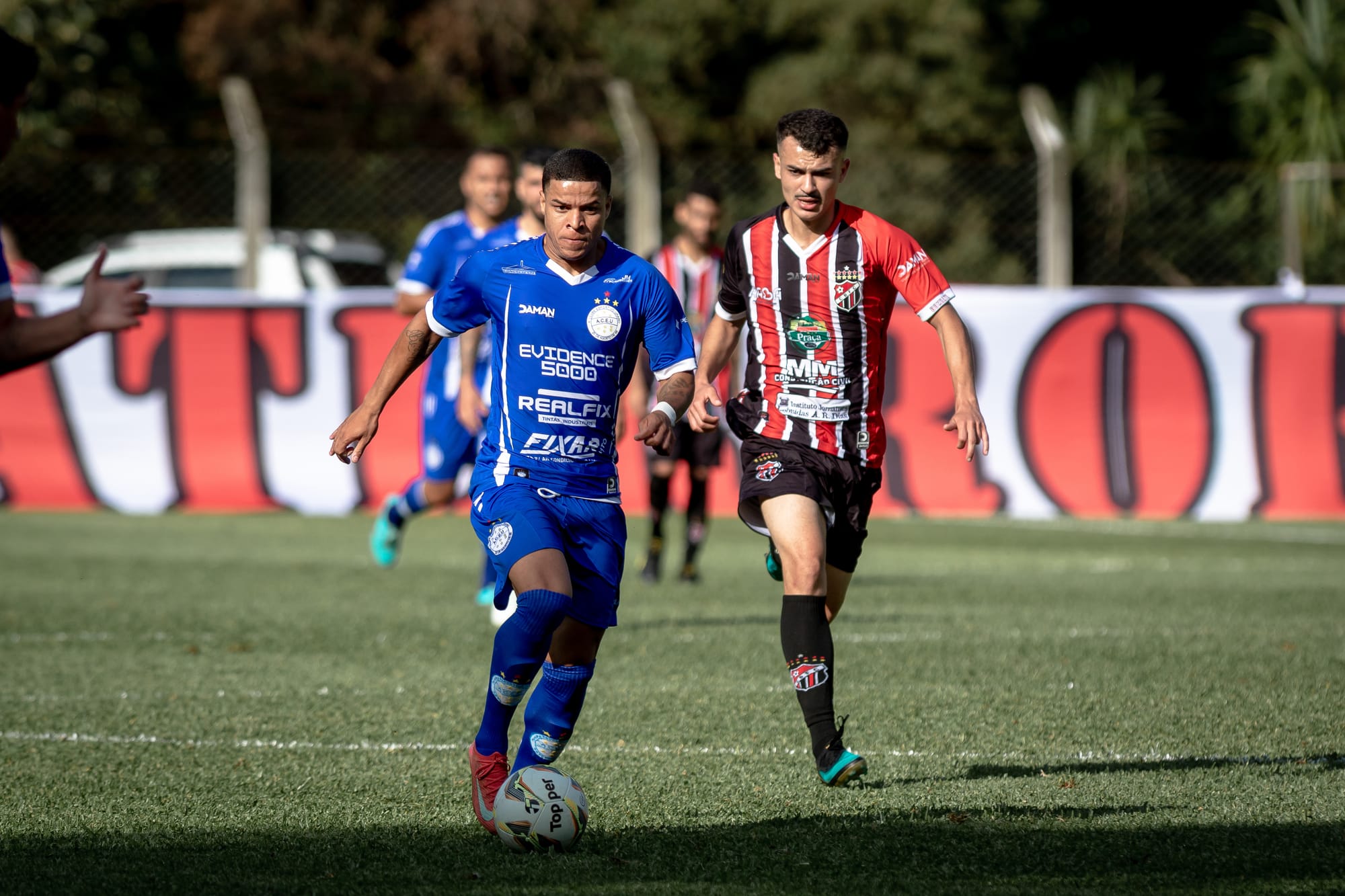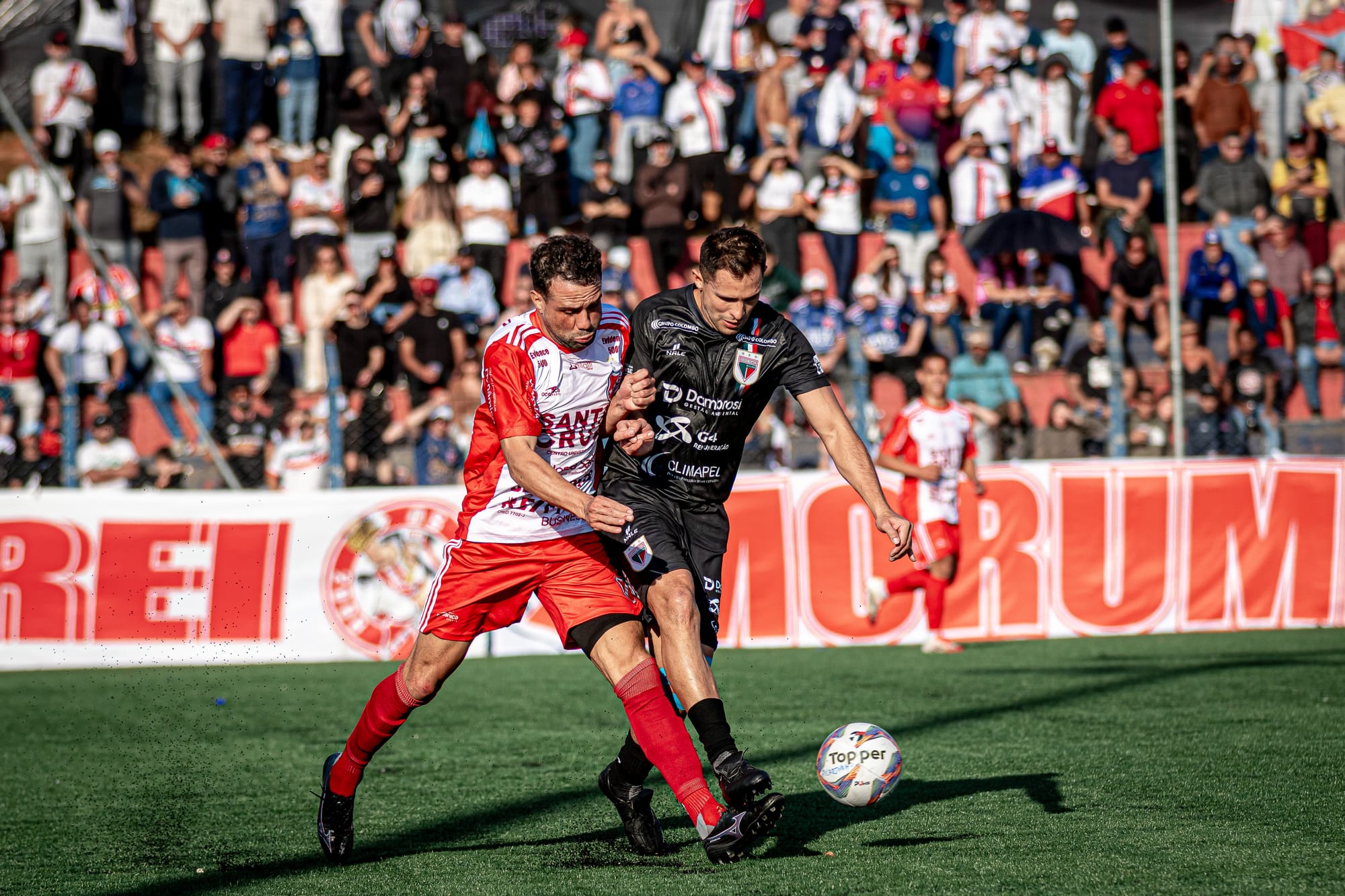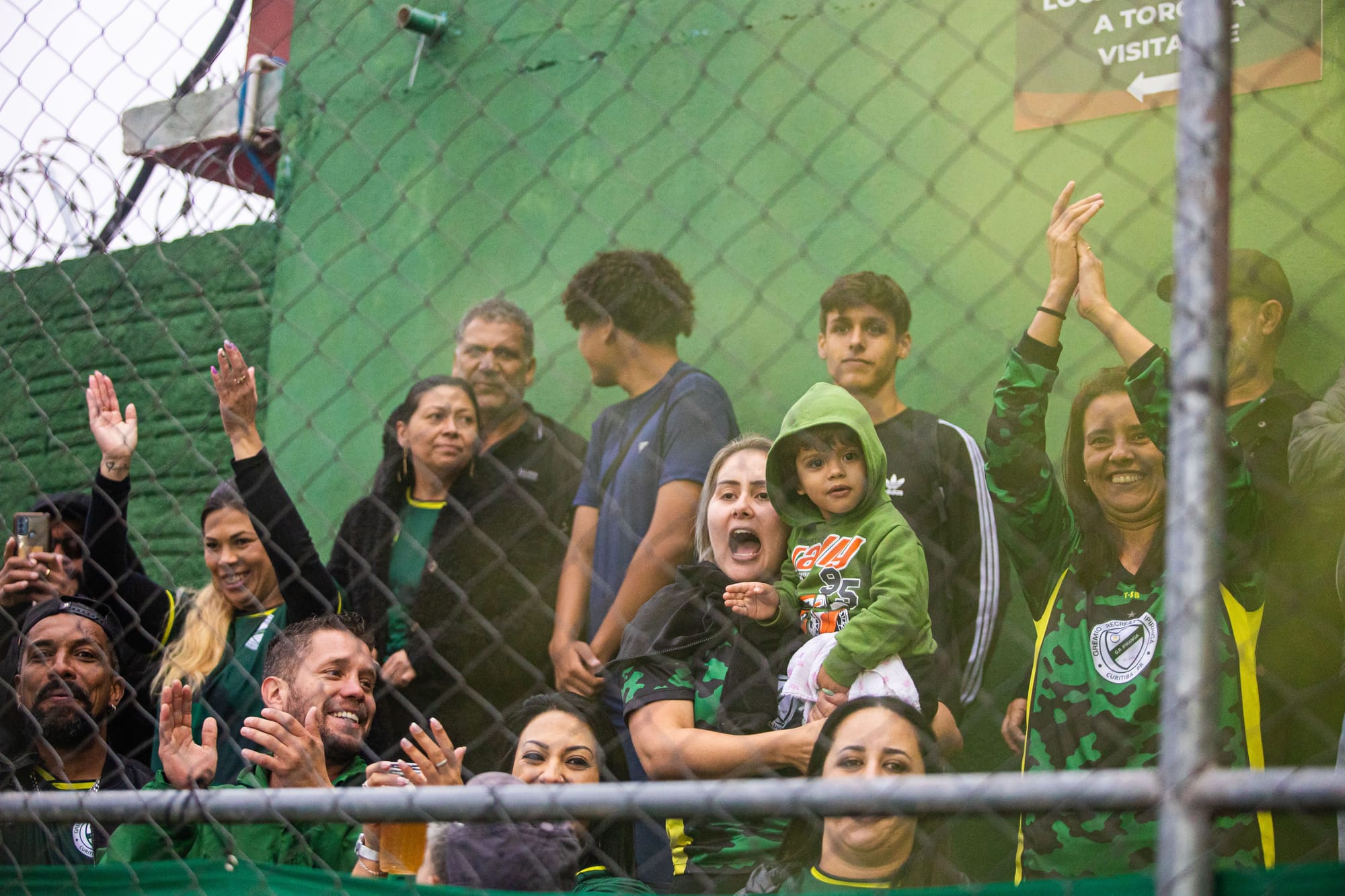
For more than eight decades, the Suburbana has moved the neighborhoods of Curitiba. But it’s not just the ball that rolls. It’s not only the match that begins when the referee blows the whistle. Before that, long before, it’s the people who take the field.
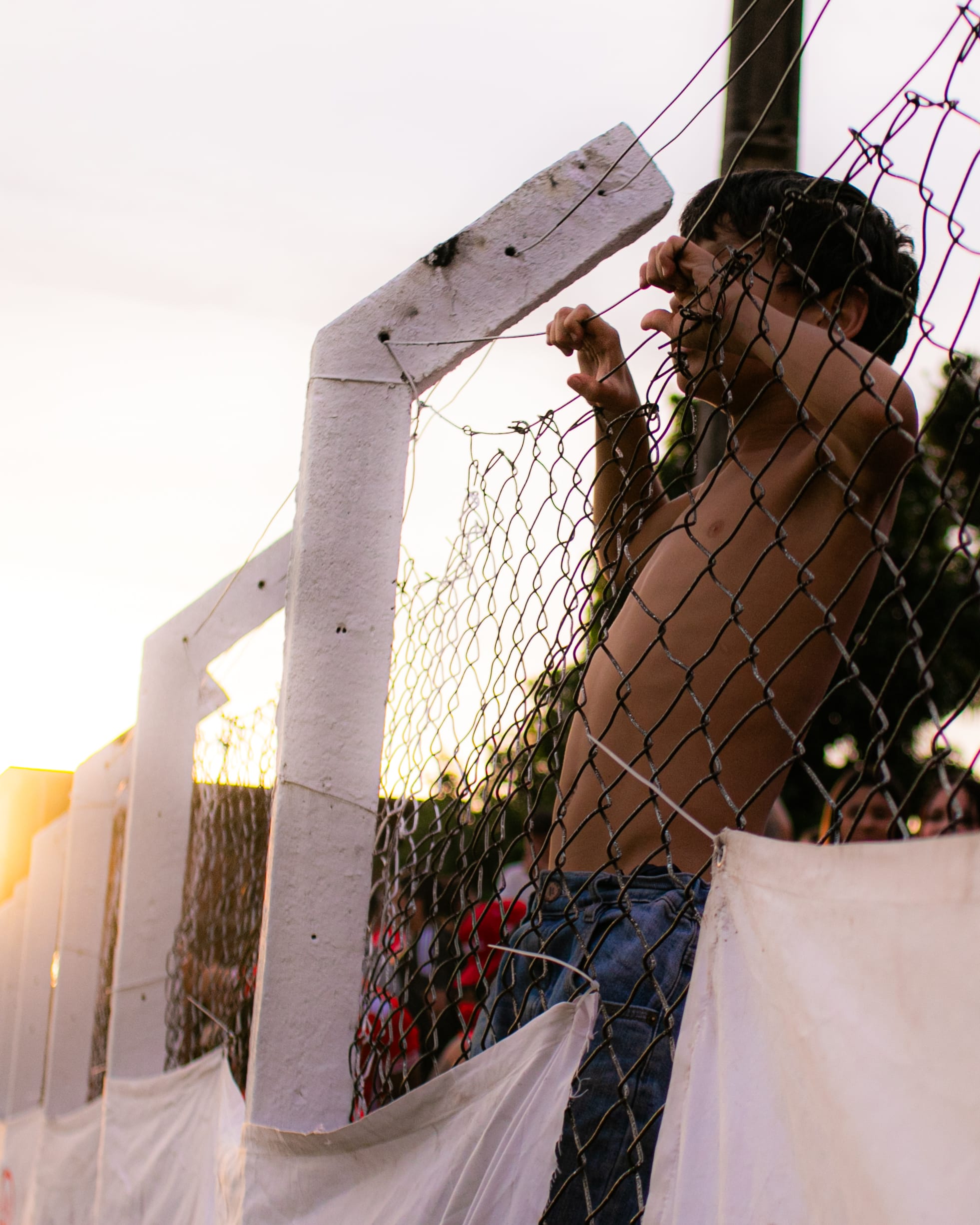
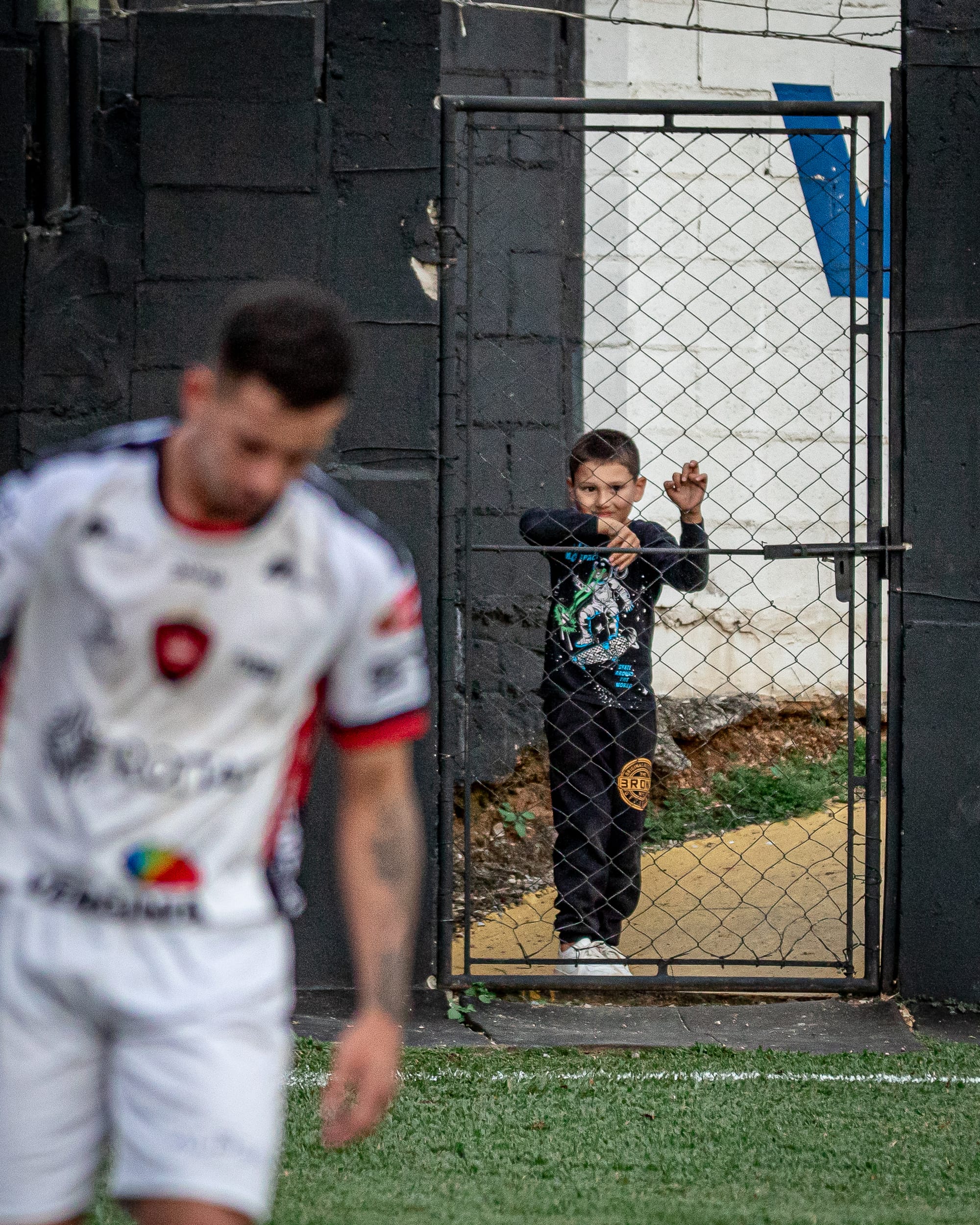
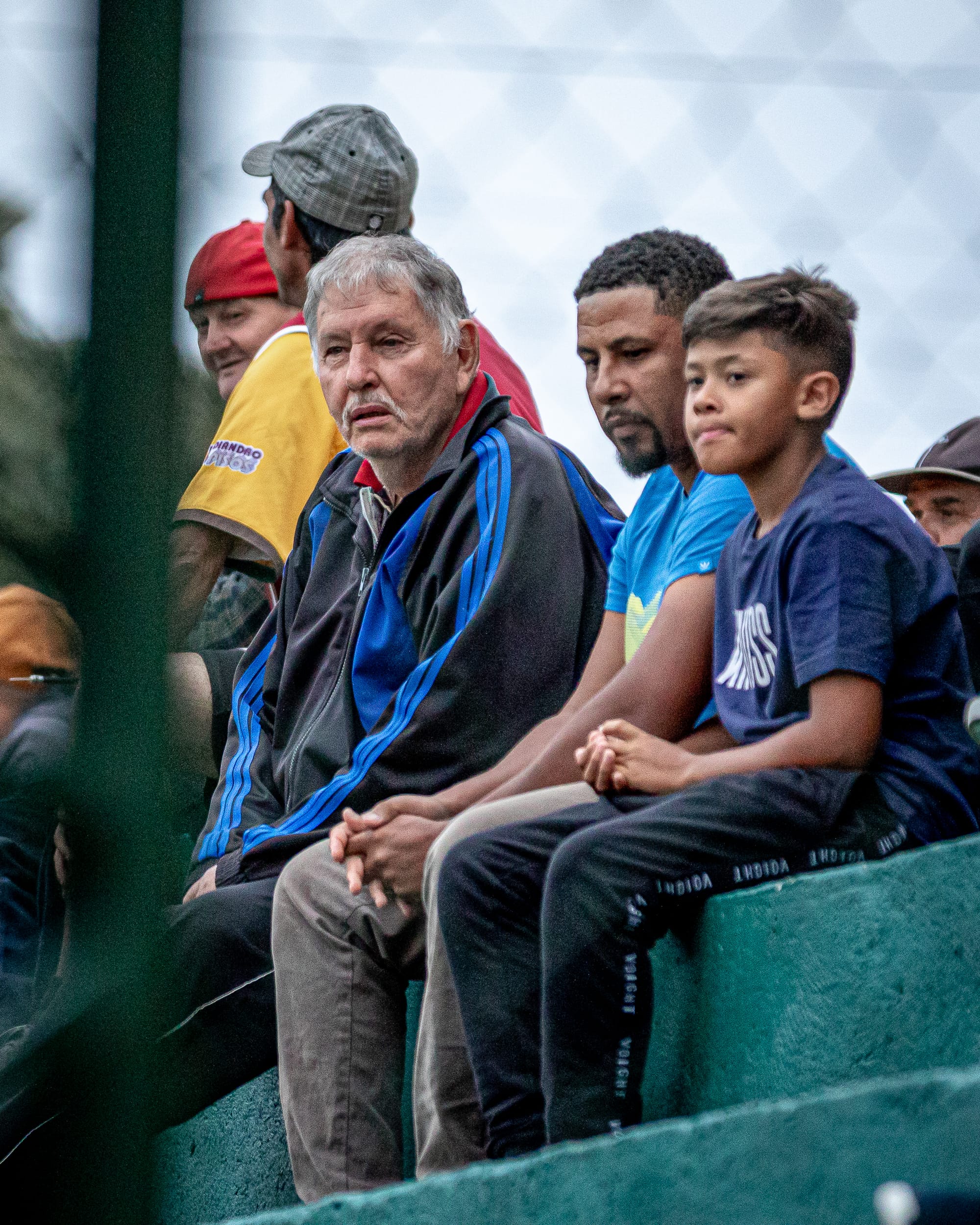
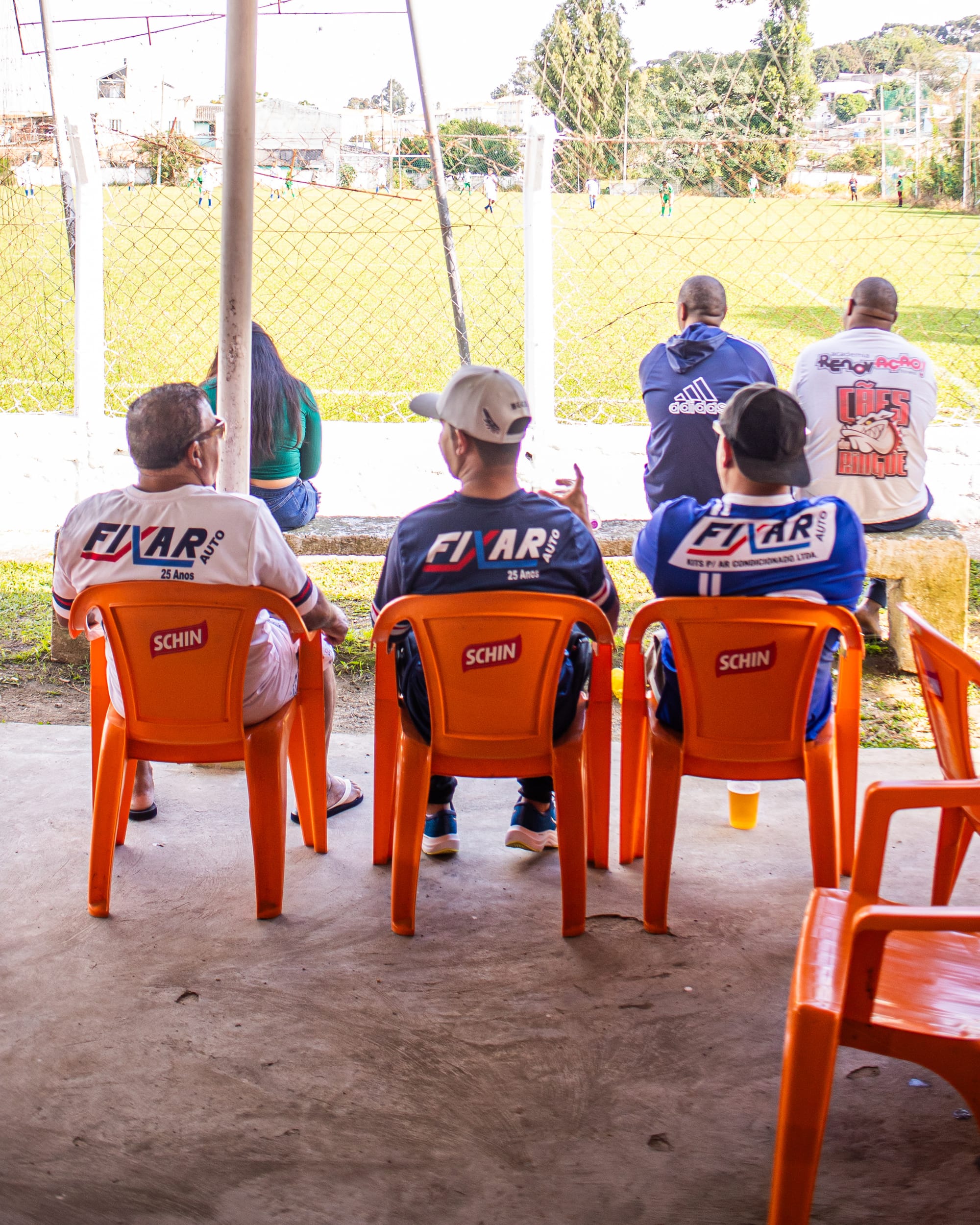
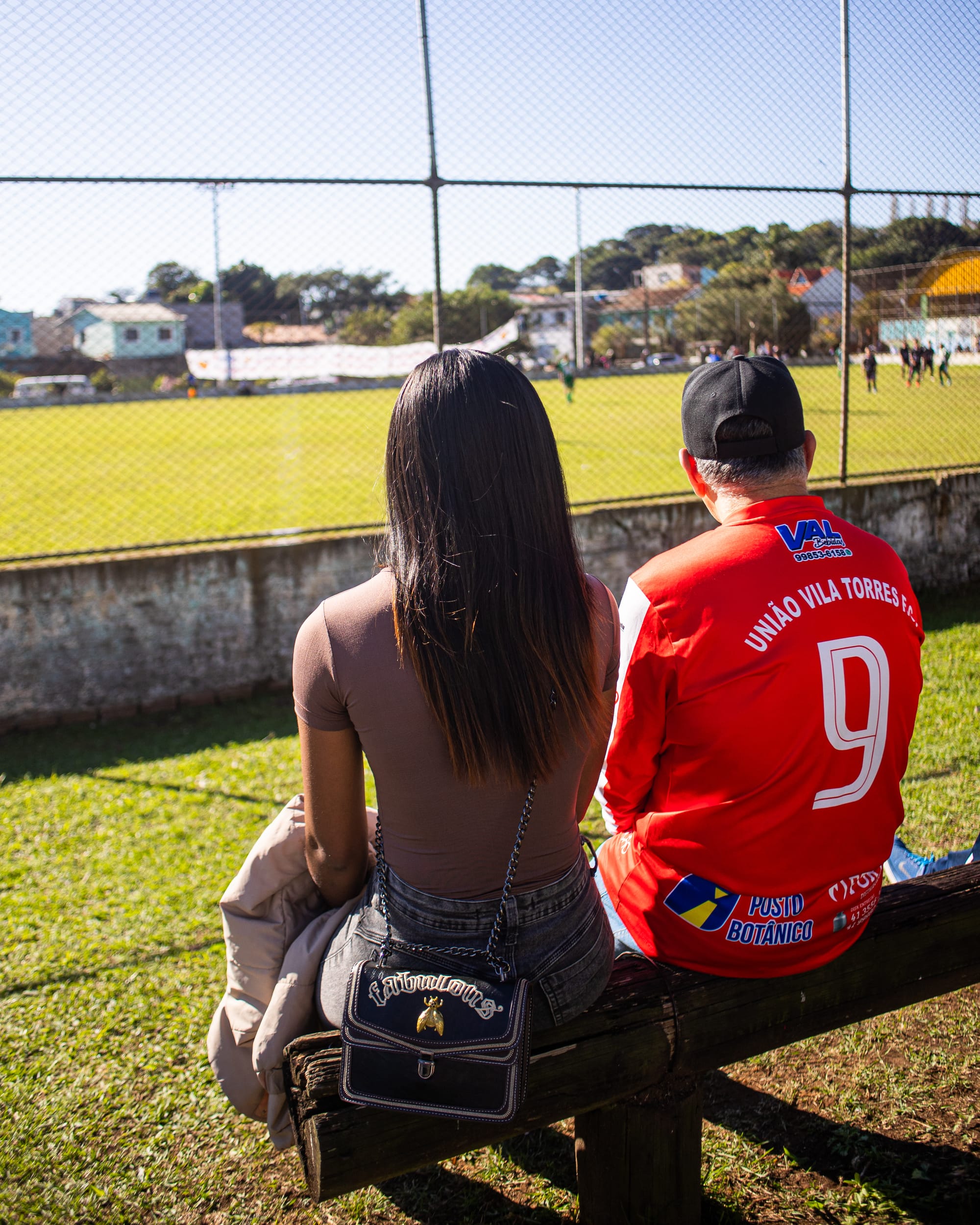
The Suburbana is made of faces. Of the man leaning on the chain-link fence with the radio pressed to his ear, as if time had not passed. Of the mother who splits her attention between the small child and the son who is playing. Of the former player who comments on every play as if he still wore the jersey. Of the child who runs after the ball at halftime and, right there, rehearses his own future.
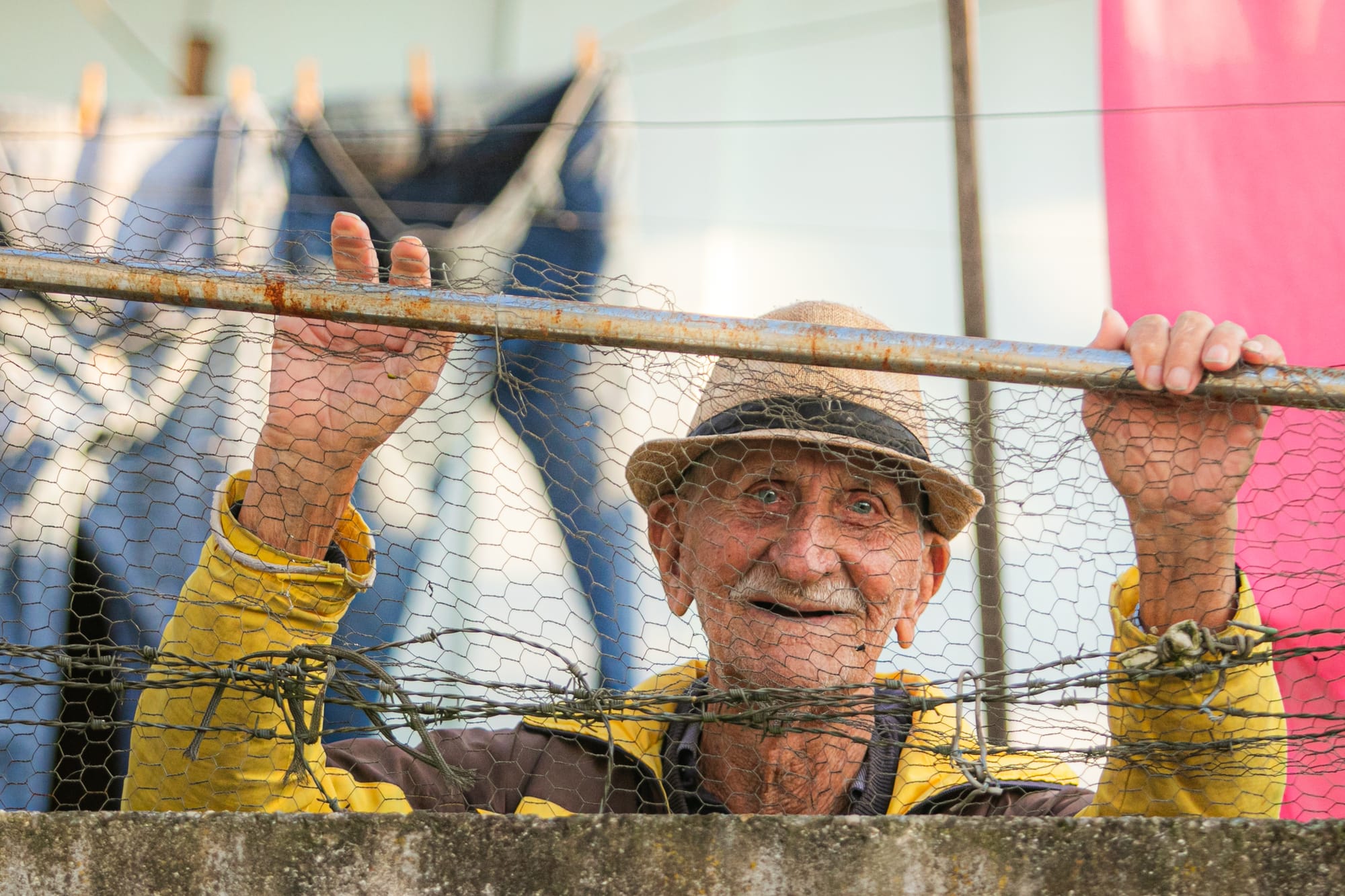
The experience in this setting is not occasional. It is rooted. It is in the tradition of the family that has frequented the same field for three generations. It is in the sense of belonging to the neighborhood that turns the crest into an extension of one’s own home. It is in the routine of those who organize the week with Saturday in mind. For these people, the Suburbana is not occasional entertainment; it is continuous identity.
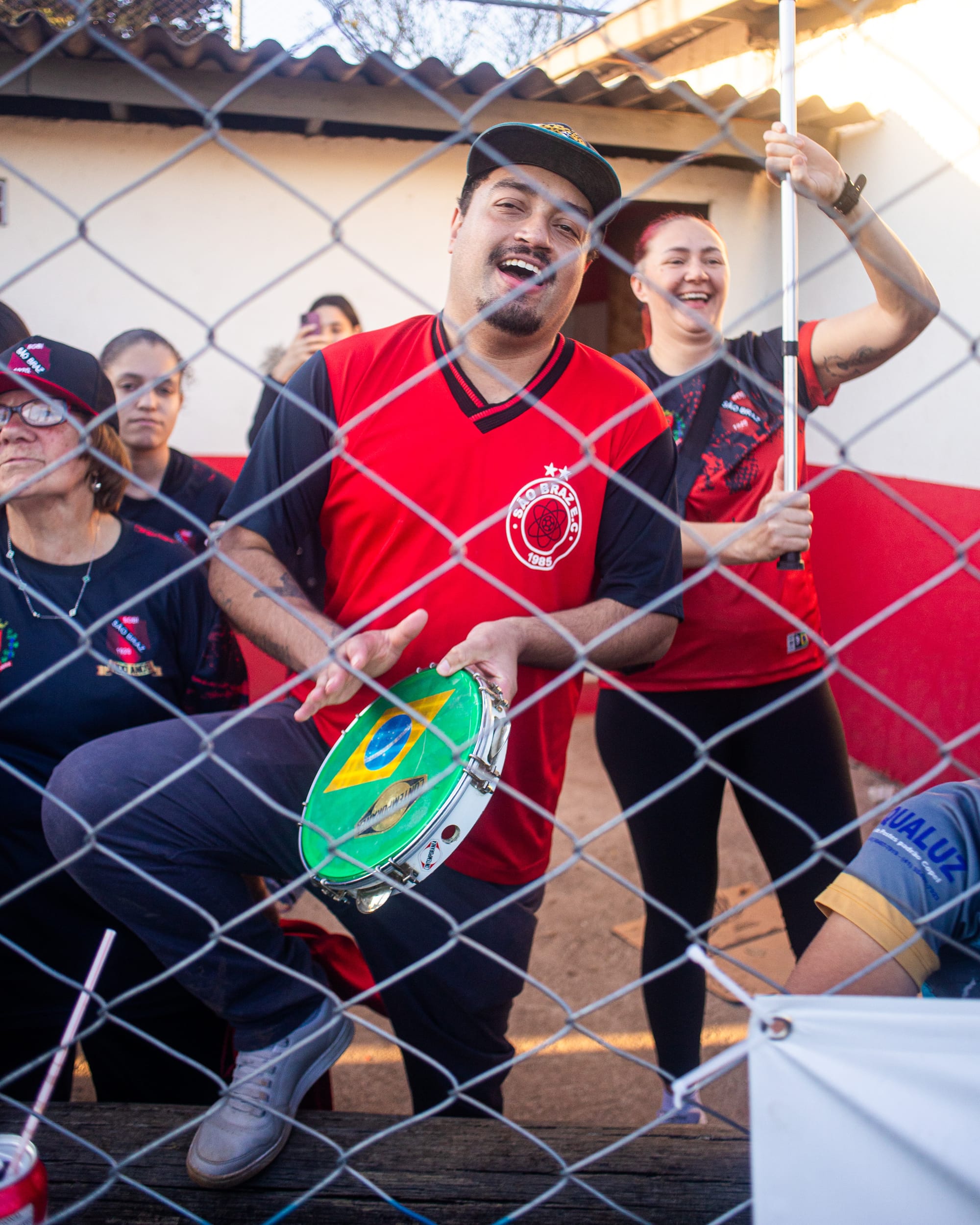
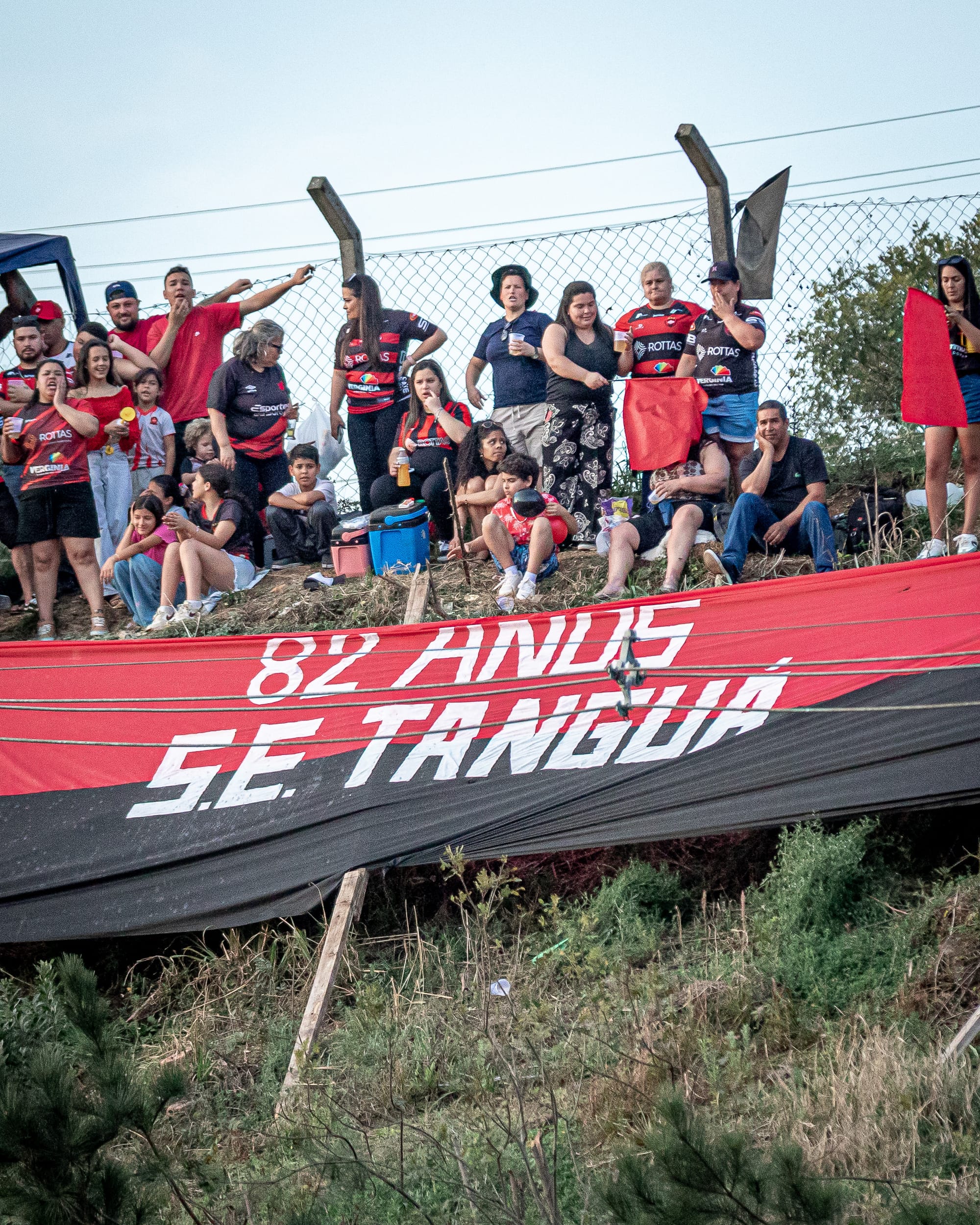
Because neighborhood football is never only what happens within the four lines. Every photograph of the stands is a document. Every face captured is proof that popular culture is in motion there. The neighborhood claims its space. No one is a distant audience. Everyone takes part.
And it is precisely for this reason that matches behind closed doors create a void that goes beyond silence. Capão Raso, Vila Sandra, and Fortaleza, for example, are clubs with massive followings, accustomed to turning their stadiums into extensions of the neighborhood streets. One began the competition without the presence of the public last Saturday (28), the others will continue in the same way in Serie B, due to sanctions for infractions. The merit or demerit of the decisions belongs to the responsible bodies, and the disciplinary context remains as the backdrop. What stands out, however, is the human impact.
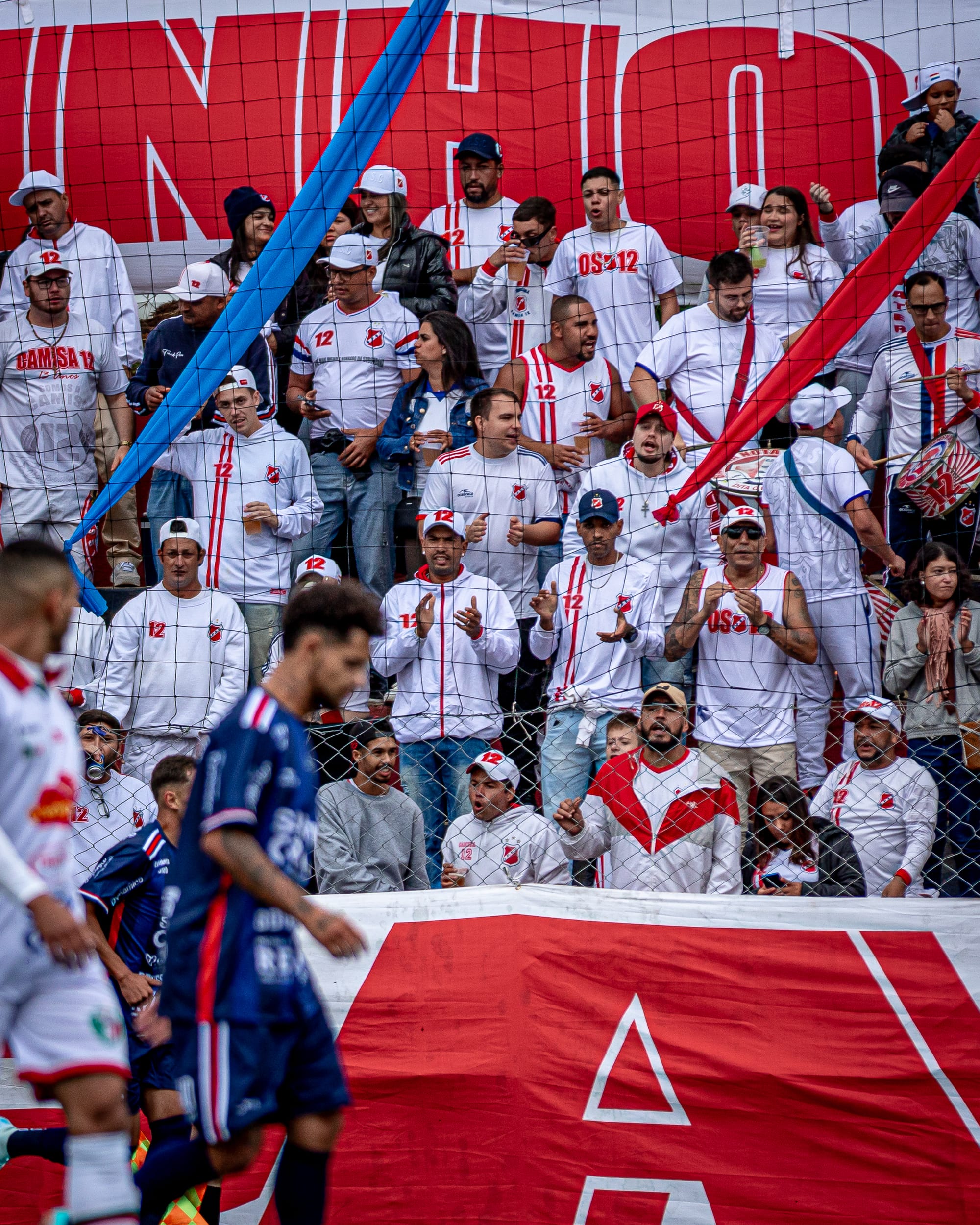
Because football without people is something else. It may even exist as a competition, but it loses depth as a cultural manifestation. The shout that pushes, the remark thrown through the fence, the chat before and after the match—all of that makes up the experience. When the gate closes, it’s not only the stands that empty. Part of the meaning empties out as well.
It’s not only the sanctioned club that loses. The neighborhood loses, which stops gathering. The street vendor loses, who stops selling. The championship loses, as it weakens its most genuine spectacle: popular participation.
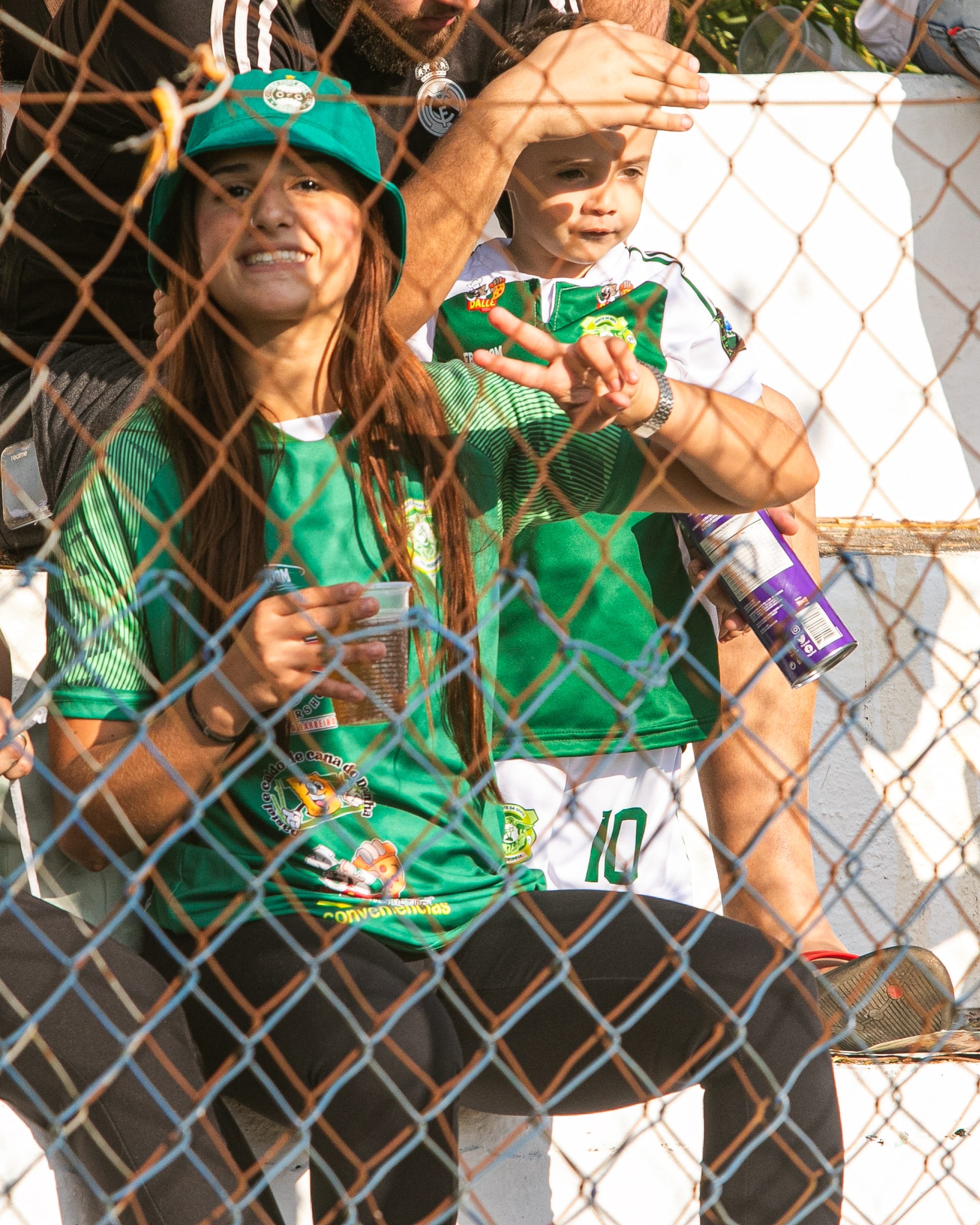
The Suburbana is made of people, and depends on them. Just as those people also depend on the Suburbana to reaffirm belonging, strengthen bonds, and sustain traditions that span decades. It is a two-way street: amateur football shapes communities, and communities keep amateur football alive.
In the end, the question is simple: where is football truer, in the silence of empty seats or in the imperfect noise of a living stand?
The answer, for 80 years now, remains the same.
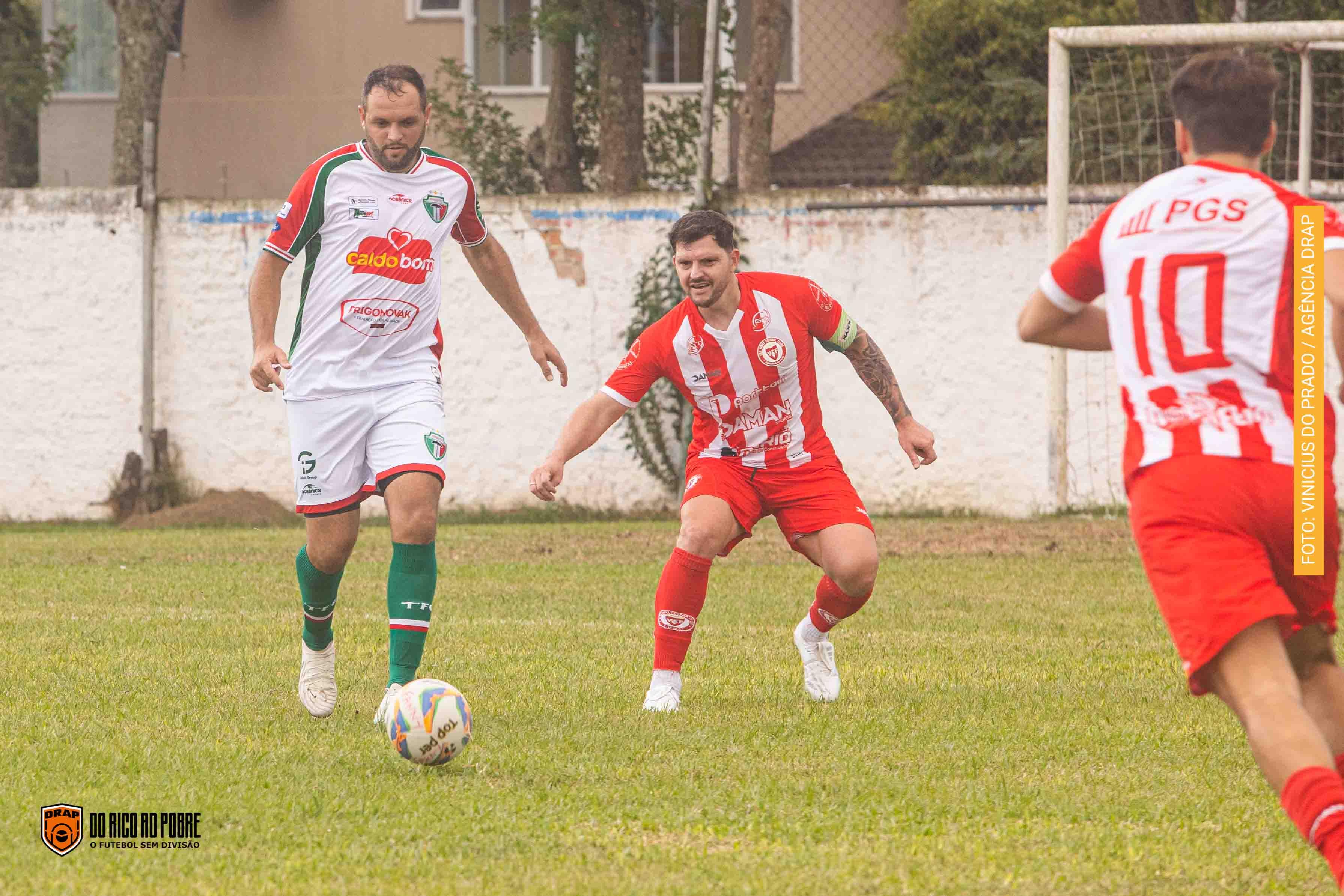
Photos by Yuri Casari and Vinícius do Prado/Agencia Drap