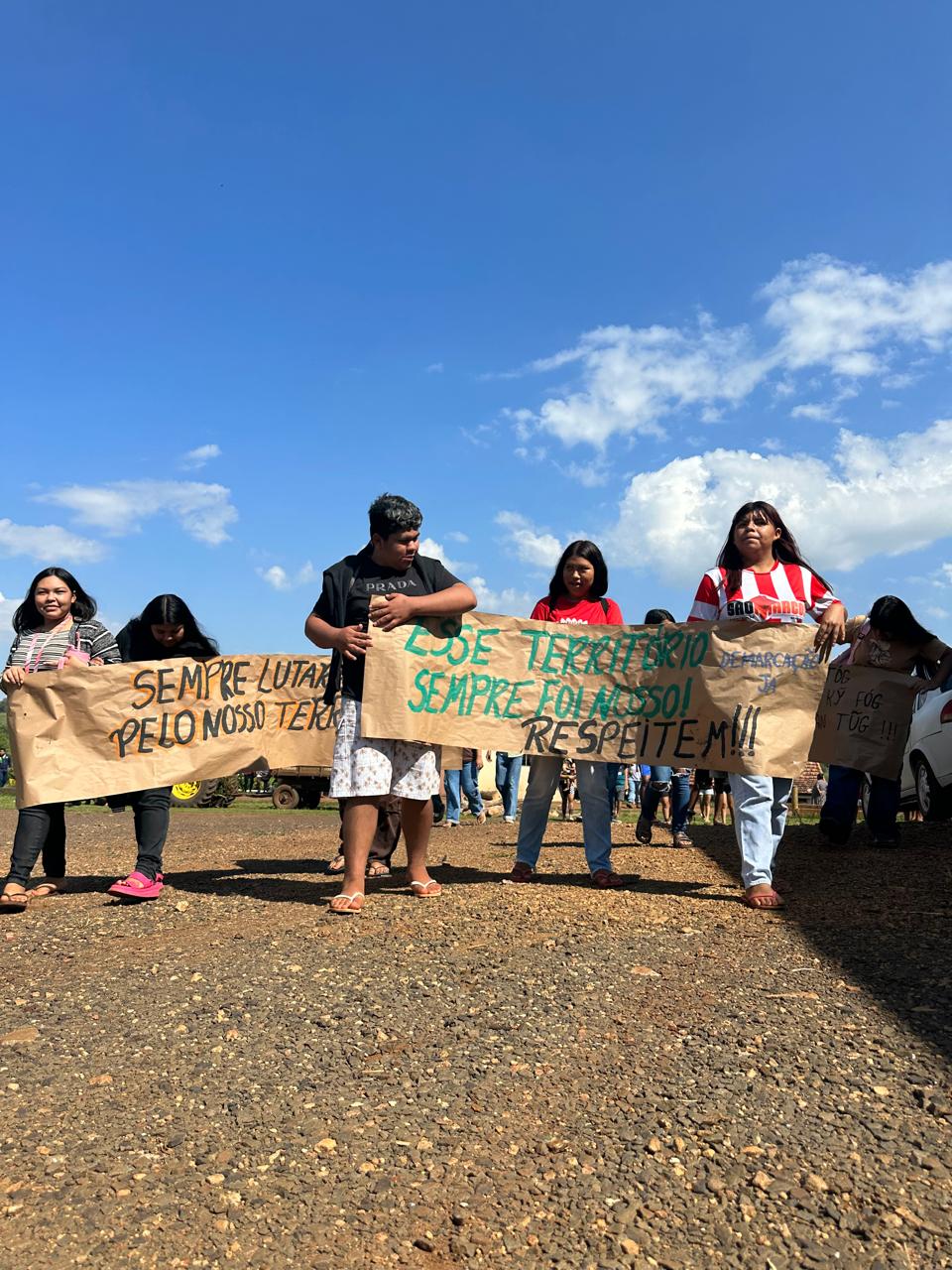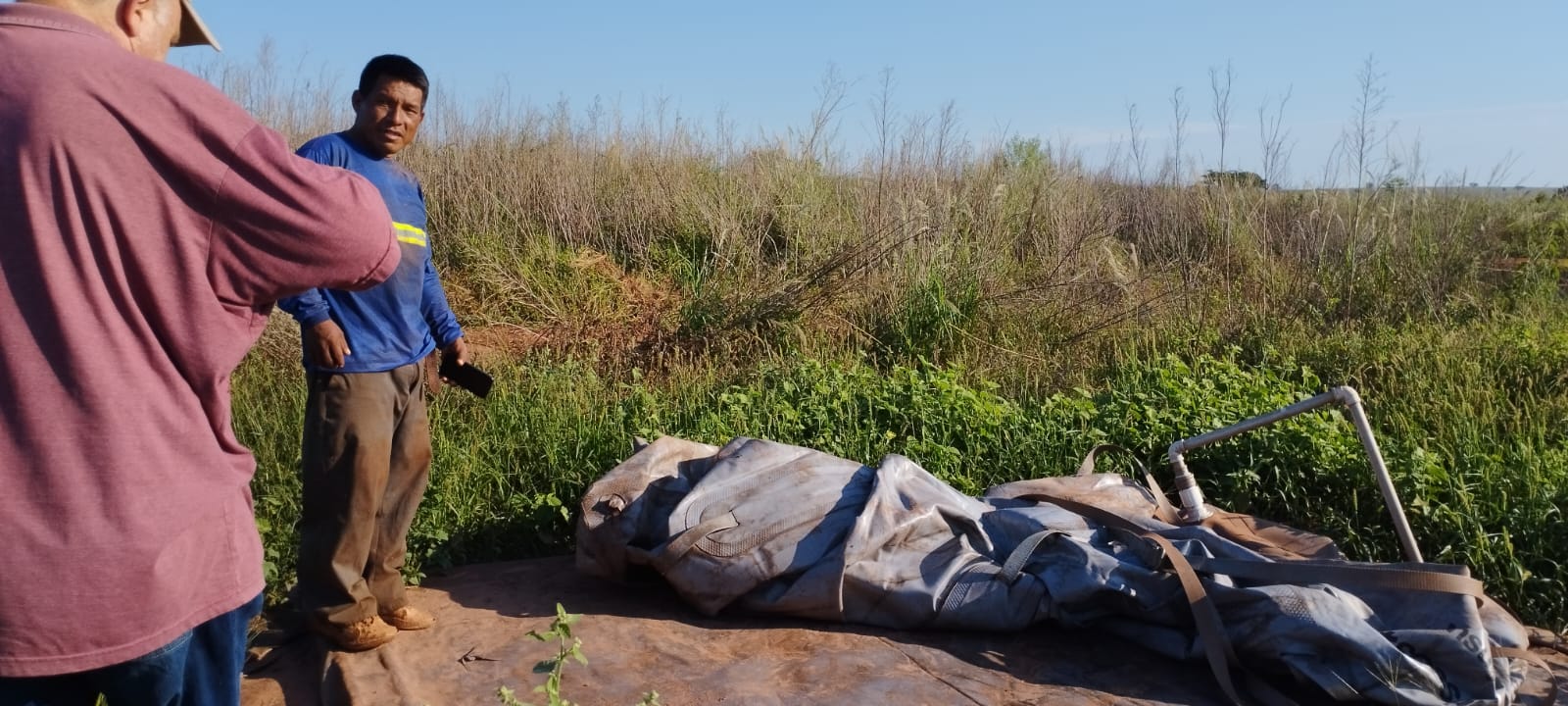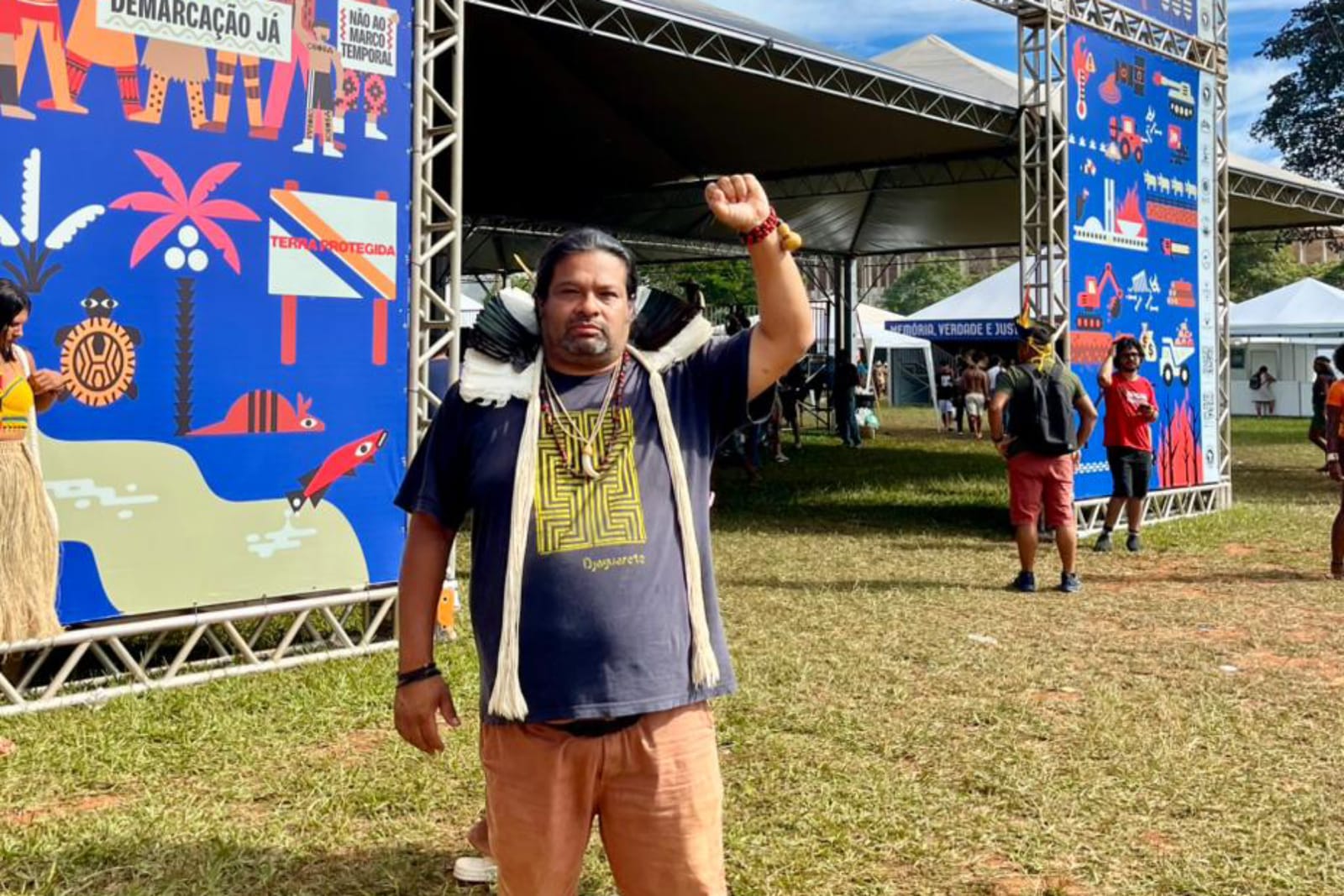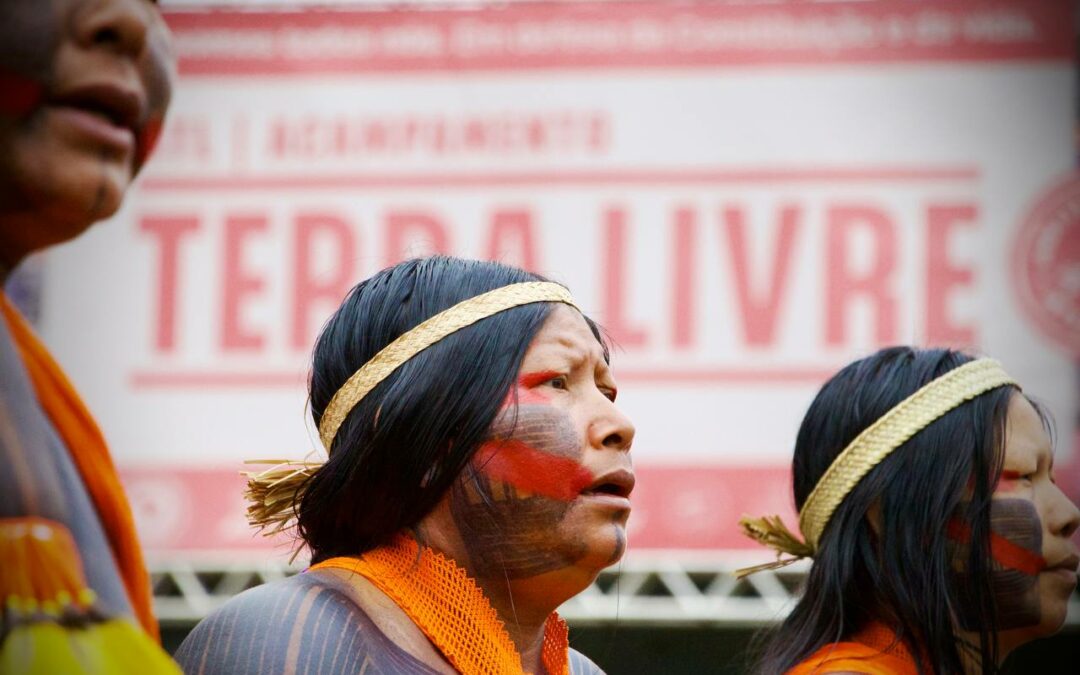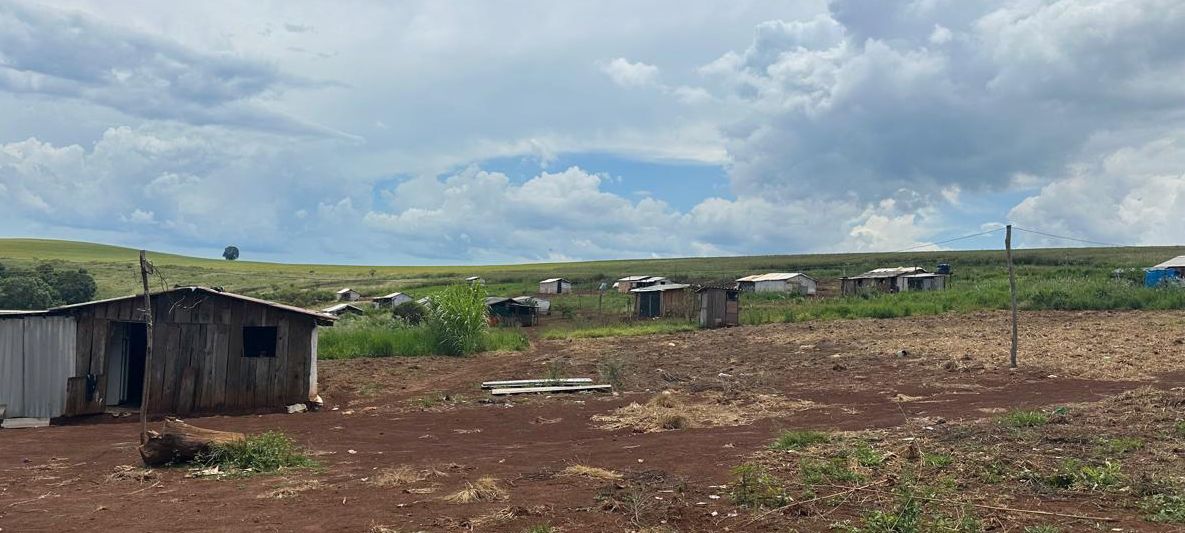
On the night of this Wednesday (04), the Apucaraninha Indigenous Land, in the municipality of Tamarana, in northern Paraná, recorded a conflict between Indigenous people and security guards of a landowner from the region. The Kaingang say they were attacked around 23h, at the Serrinha land reclamation, where about 40 families live.
According to the coordinator of the reclamation, Anilton Ayn My Lourenço, at the time of the attacks the Indigenous people were in a meeting with the presence of leaders of the Indigenous Land. The meeting was taking place at the headquarters of the Água Branca Village, which is next to the reclamation, when guards of a landowner forced the doors of a school provisionally set up by the Indigenous people.
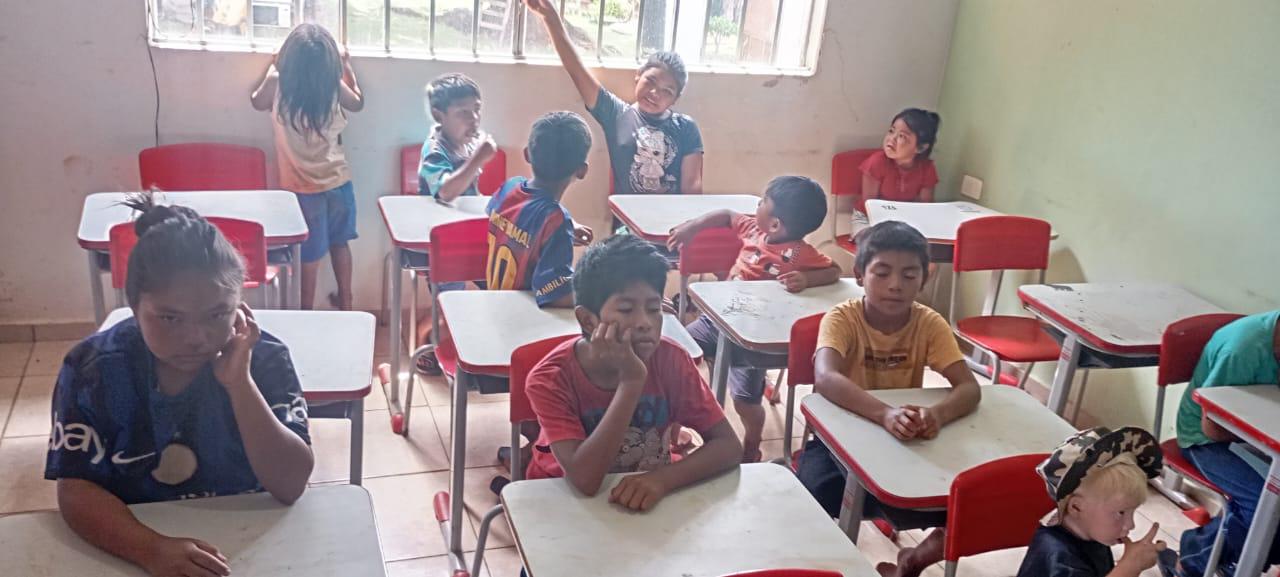
“Here we have a provisional school, which is for the children who cannot go to the main school. That school is at the headquarters of the occupied ranch. About 15 days ago the landowner hired guards, and yesterday they broke into the school, and that was what triggered the conflict,” he recounts.
The ranch in question is Tamarana, occupied by the Kaingang in September 2023. The area is part of a traditional territory of Indigenous peoples, and is even recognized as Indigenous land by the National Foundation of Indigenous Peoples (Funai).
Anilton reports that the guards even fired firearms when the Indigenous people tried to prevent the invasion of the school. “The guards fired into the air at the moment of the commotion. Fortunately no one was injured. But the situation here remains very tense,” he reveals.
According to the Indigenous people, the ranch headquarters building was not in use and was therefore used temporarily as a school until the community can build one. The measure was adopted to serve 21 early-grade children who live in the village and who face difficulties attending the school in the main village due to the poor condition of the roads and periods of rain. However, on Wednesday night, the place was invaded by the guards, which generated indignation in the community.
The Indigenous land has been reduced over the years
In 1955, the Kaingang Indigenous people received, by public deed, 6300 hectares of land that make up the Apucaraninha Indigenous Land. However, decades later, when Funai carried out a new survey, it was found that the reserve had only 5574 hectares. Thus, in 2003, in 2017 and again in 2023, the Indigenous people, claiming part of their territory by right, decided to occupy the Fazenda Tamarana, which is within the original area of the Indigenous Land.
Now the Indigenous people await a compensation agreement that could put an end to the occupation of the Fazenda Tamarana and to the conflicts that have dragged on for more than 20 years. In a communication to the Court of Justice of Paraná (TJ-PR), in September 2025, the Kaingang state that they decided to provisionally accept a proposal presented by the government of Paraná, through the Superintendency of Dialogue and Social Integration (SUDIS), for the peaceful transfer of the families who are at the ranch headquarters to an area of approximately 70 alqueires.
According to the leadership, the decision was made after analyzing two alternatives and with the aim of seeking a lasting solution for the territory. The community demands that the State acquire the area of the Fazenda Apucaraninha, with about 405 alqueires, as a definitive solution to the conflict. According to the document sent by the leaders, the reserve currently houses around 2,1 thousand Kaingang people, distributed among approximately one thousand families.
The leaders point out that the move to the provisional settlement will depend on the installation of minimum infrastructure, such as electricity, drinking water, and temporary housing, in addition to institutional support for health care, education, and road access, with the participation of Funai, the state government, the Special Secretariat for Indigenous Health, and the city hall of Tamarana.
In the document sent to the TJ, the community reinforces its commitment to a negotiated solution. “We seek alternatives without conflicts and are willing to participate in a working group with everyone involved to find a definitive solution for a situation that has dragged on for nearly 20 years,” say the leaders of the Serrinha Village.